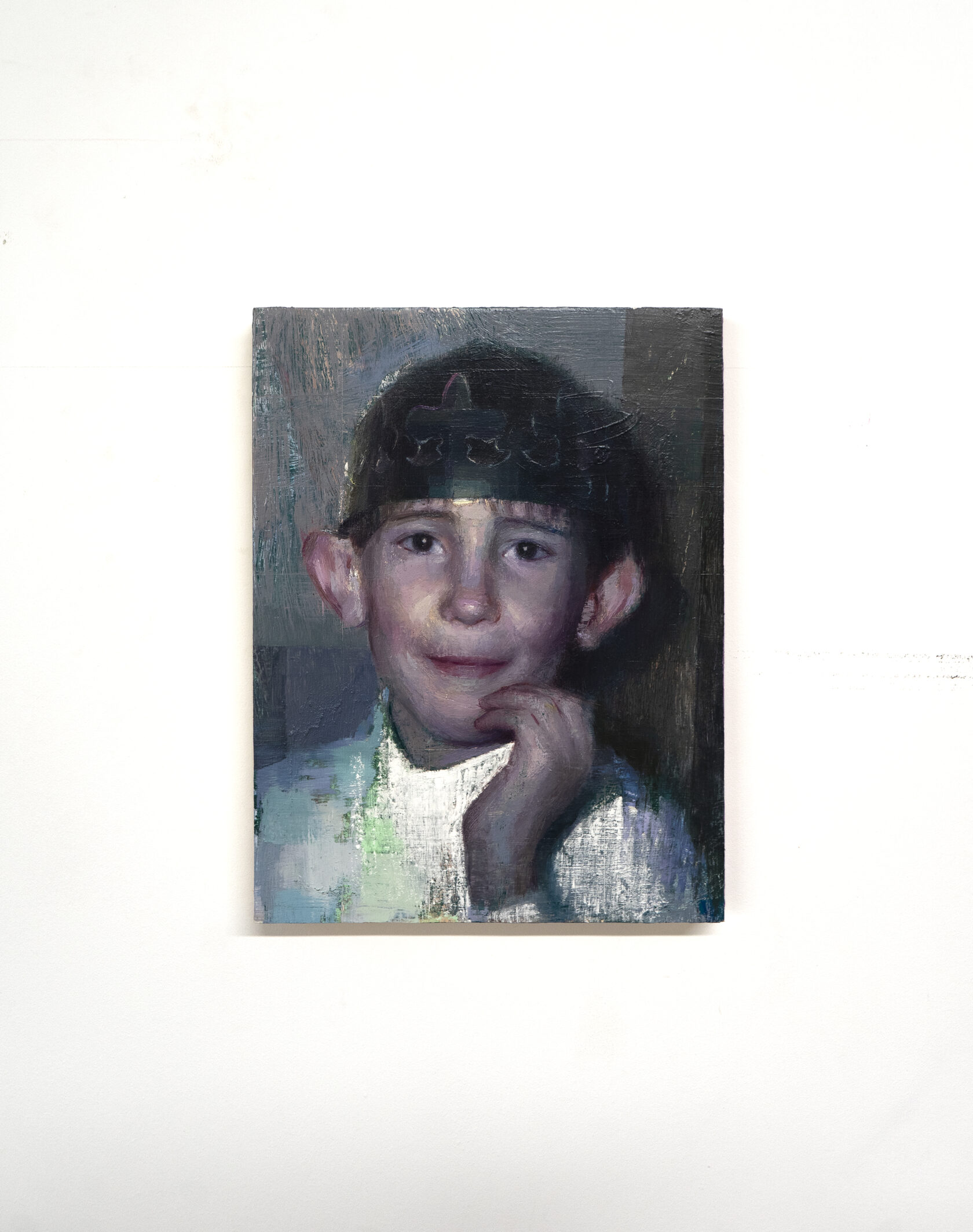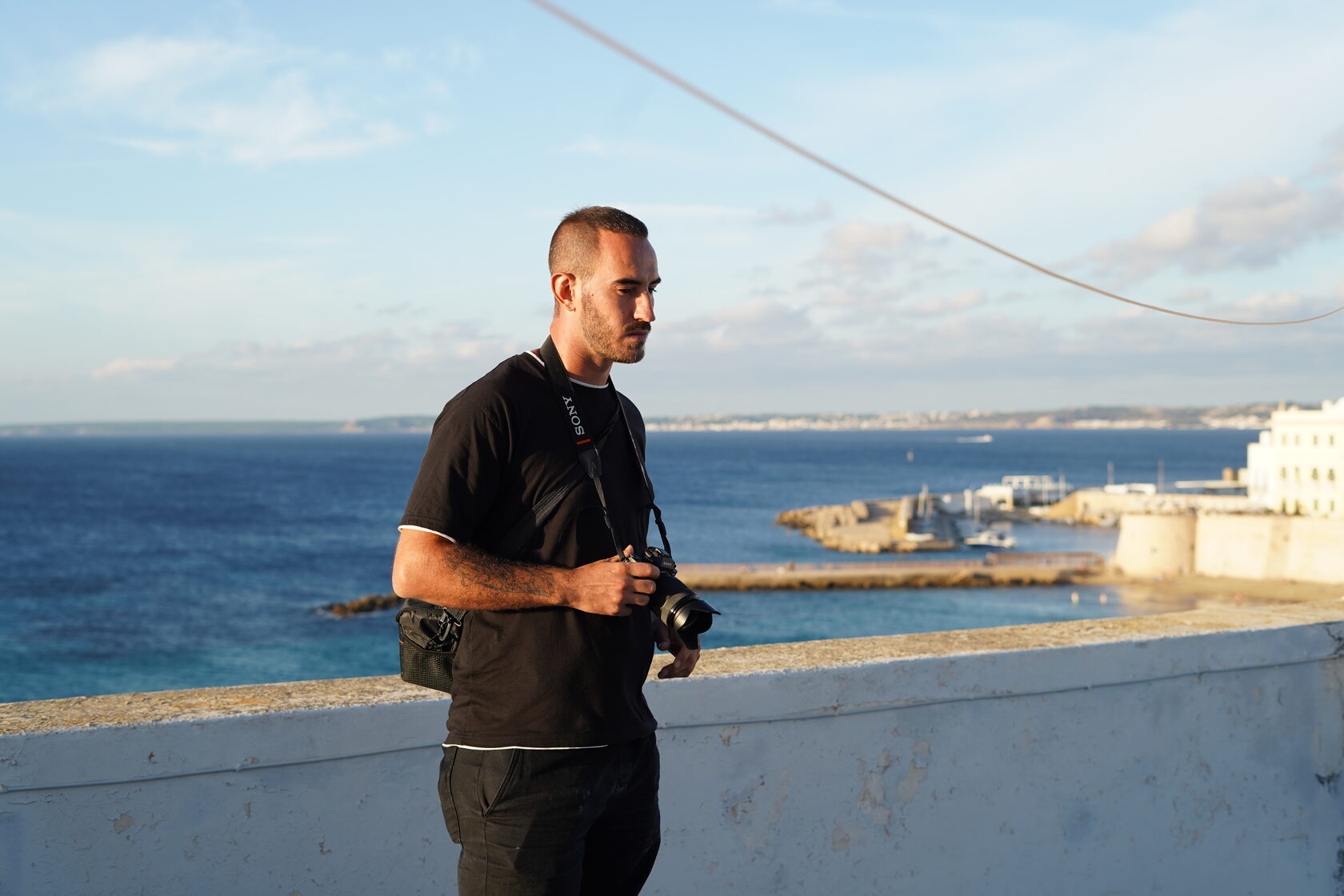
Spanish artist Slim Safont is part of a new generation of contemporary painters whose practice moves fluidly between the street and the gallery. Born in Berga, near Barcelona, in 1995, Safont entered the world of urban art at the age of twelve and later graduated in Fine Arts from the University of Barcelona. Today he works internationally as both a muralist and painter, with projects across Europe and the United States.
Safont’s practice is rooted in figurative realism and social observation. His works often focus on the human figure, everyday situations, and subtle narratives of community life. Through painting, photography references, and a meticulous study of color, the artist constructs images that reflect the social dynamics of the places in which they appear.
Yet the most compelling aspect of Safont’s work lies in the dialogue between his large-scale murals and smaller institutional artworks. While both formats share visual language and thematic concerns, each operates differently in relation to its audience and environment.
Safont’s practice is rooted in figurative realism and social observation. His works often focus on the human figure, everyday situations, and subtle narratives of community life. Through painting, photography references, and a meticulous study of color, the artist constructs images that reflect the social dynamics of the places in which they appear.
Yet the most compelling aspect of Safont’s work lies in the dialogue between his large-scale murals and smaller institutional artworks. While both formats share visual language and thematic concerns, each operates differently in relation to its audience and environment.
Murals as Collective Narratives
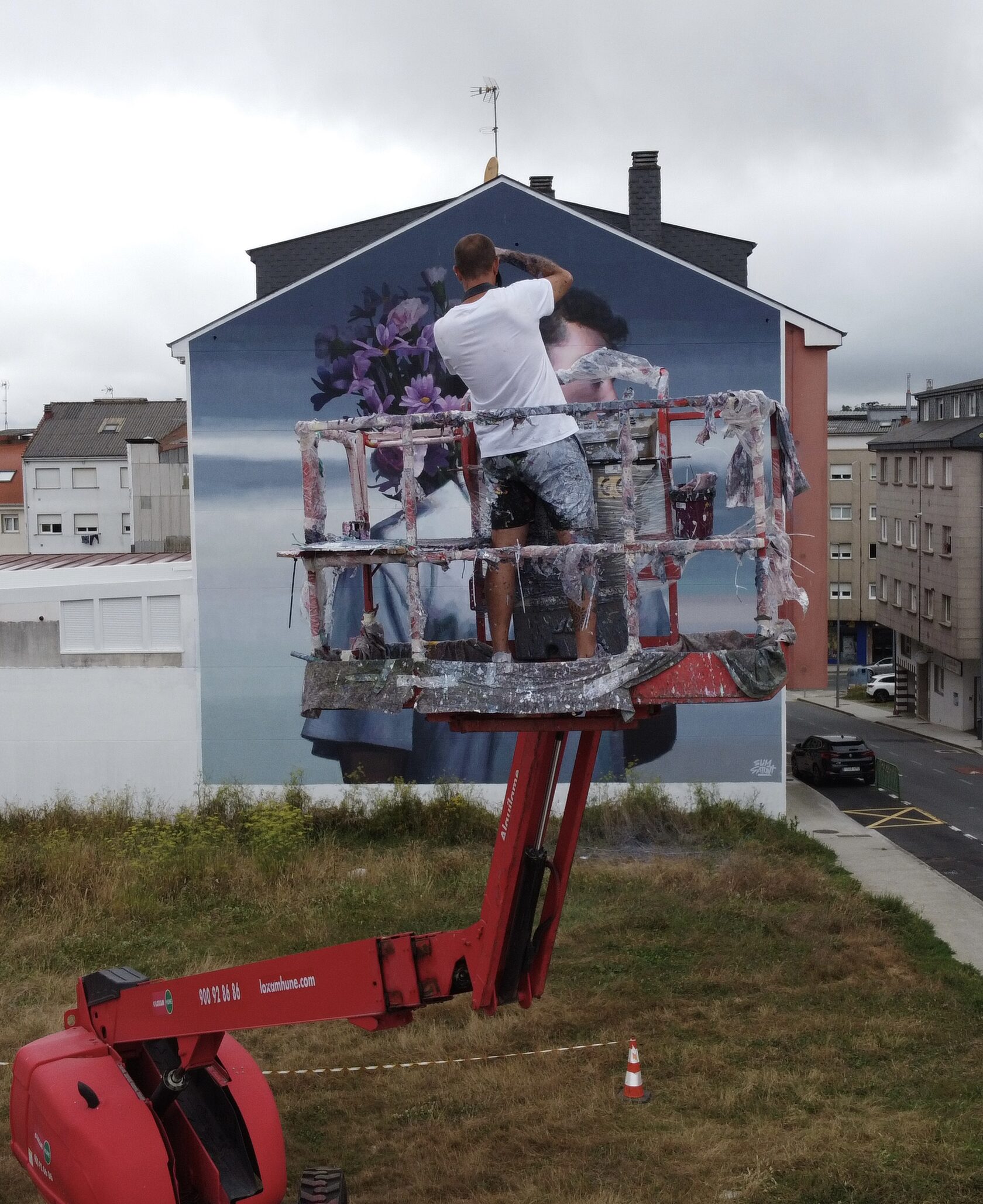
In public space, Safont approaches painting as a tool for social engagement. His murals frequently emerge from conversations with local communities, translating shared memories and identities into visual form.
One notable example is his mural in the Sant Joan neighborhood of Vilanova i la Geltrú, which was developed through a participatory process involving local residents. The resulting work portrays a contemporary young resident holding a photograph of an earlier generation, creating a symbolic connection between past and present. The mural became widely recognized for its social impact, highlighting themes of migration, memory, and belonging.
Through projects like this, Safont transforms architecture into narrative surfaces. Buildings become public canvases that reflect collective histories, inviting viewers to reconsider familiar urban environments.
One notable example is his mural in the Sant Joan neighborhood of Vilanova i la Geltrú, which was developed through a participatory process involving local residents. The resulting work portrays a contemporary young resident holding a photograph of an earlier generation, creating a symbolic connection between past and present. The mural became widely recognized for its social impact, highlighting themes of migration, memory, and belonging.
Through projects like this, Safont transforms architecture into narrative surfaces. Buildings become public canvases that reflect collective histories, inviting viewers to reconsider familiar urban environments.
Institutional Works: Intimacy and Reflection
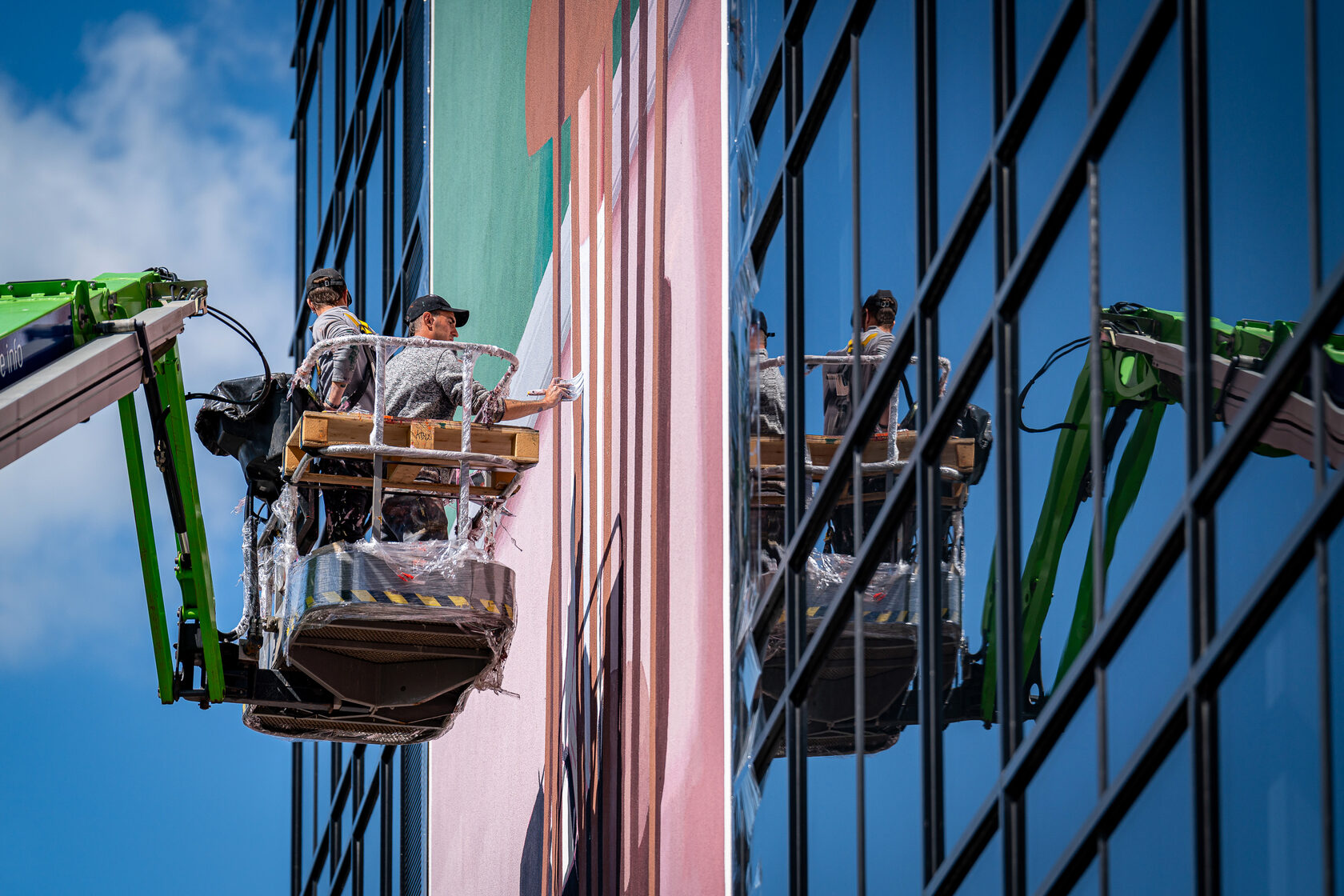
In contrast, Safont’s paintings and drawings presented in galleries or institutional contexts operate on a more intimate and contemplative scale. Removed from the urban landscape, these works invite slower observation and emphasize painterly detail.
Within exhibition spaces, the artist continues his exploration of human behavior and social context, but the narrative becomes more psychological than communal. The smaller format allows Safont to deepen his investigation of gesture, atmosphere, and subtle emotional tensions—elements that may be harder to perceive at the scale of a building facade.
These works also reveal the technical foundation behind his murals: careful chromatic construction, photographic composition, and layered figurative painting.
Within exhibition spaces, the artist continues his exploration of human behavior and social context, but the narrative becomes more psychological than communal. The smaller format allows Safont to deepen his investigation of gesture, atmosphere, and subtle emotional tensions—elements that may be harder to perceive at the scale of a building facade.
These works also reveal the technical foundation behind his murals: careful chromatic construction, photographic composition, and layered figurative painting.
Between the Street and the Gallery
Rather than existing as separate practices, Safont’s murals and institutional works form a continuous artistic ecosystem. Murals expand painting into the public realm, making social narratives visible at an architectural scale. Institutional works condense those narratives into quieter spaces of reflection.
Both formats share the same conceptual starting point: observation of everyday life and the relationships between individuals, communities, and the environments they inhabit.
This dual approach situates Slim Safont within a broader movement of contemporary artists who challenge the traditional boundaries between public art and gallery-based practice.
Both formats share the same conceptual starting point: observation of everyday life and the relationships between individuals, communities, and the environments they inhabit.
This dual approach situates Slim Safont within a broader movement of contemporary artists who challenge the traditional boundaries between public art and gallery-based practice.
Painting the Social Landscape
At the center of Safont’s work is a sustained investigation into human behavior within urban space. His murals speak to entire neighborhoods, while his studio works address the individual viewer.
Together, they create a body of work that moves between the monumental and the intimate — between collective memory and personal perception — while maintaining a consistent visual language rooted in figurative painting.
Together, they create a body of work that moves between the monumental and the intimate — between collective memory and personal perception — while maintaining a consistent visual language rooted in figurative painting.